Uncategorized

July 22, 2026
Penrith Lawyers
Call Us (02) 4731 5899
Navigate complex retirement village contracts with confidence. Our experienced team has guided Penrith families through retirement transitions for more than 40 years.
Property Law Specialists
Law Society of NSW Members
Years Conveyancing Experience
Conveyancers

The term “Retirement Village” is defined in the Retirement Villages Act 1999 NSW and simply means any residential complex situated in New South Wales where the majority of residents are aged fifty five (55) years or older and those persons have some form of contract with the person or organisation operating the complex.
Retirement Villages are not registered or licensed in any way. Most Retirement Villages offer self contained premises (or self care units) for those able to live independently. Some Villages offer serviced premises for those residents who require services such as meals, cleaning and personal care and others offer a combination of the two.
There are a range of Contracts used within the Retirement Village Industry. If you are not buying the premises you may be asked to sign a licence or a lease or some other form of occupation agreement. A “services contract” may also need to be signed if you are buying the premises.
The level of services and facilities available varies from village to village. Some Retirement Villages have little or no services or facilities. Other villages may offer services such as a bus, vital call system, on site management and a range of recreation and function facilities. Each Village must itemise their services and facilities in a document called a “Disclosure Statement”. Operators must have available for inspection or provide prospective residents, copies free of charge on request for the following:
A sample of all types of Village Contract;
Village Contracts are agreements covering topics such as purchase price and other amounts paid by residents, a formula for payment on termination, vacation or death, the proportion or amount to be retained by the operator (usually based on the length of residency), whether the operator or the residence estate has carriage of the resale, were there any increase in value (or a proportion of such increase) accrued for the benefit of the resident or the residence estate.
Additionally residents are bound to comply with the Village Rules or By Laws.
At Bateman Battersby Lawyers Penrith we have acted for many residents when buying or entering into Contracts under the Retirement Villages Act. Our experience in these transactions ensures that your matter is attended to expediently and efficiently in a cost effective manner.
Our Team

Principal Lawyer

Special Counsel
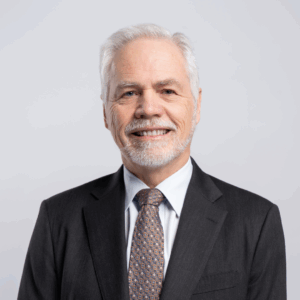
Senior Lawyer

Senior Lawyer

Senior Lawyer

Lawyer

Lawyer

Senior Licensed Conveyancer
Since 1984, Bateman Battersby has served as the cornerstone of legal excellence in Western Sydney. We combine institutional knowledge with innovative strategies to provide sophisticated legal services that builds and protects generational success.
We create comprehensive legal solutions that consider both immediate needs and long-term concerns. Our heritage of excellence ensures that when the stakes are high and the matters are complex, you have proven and reliable advocates in your corner.


This is a matter for each operator to decide if they have a waiting list and if so, whether a waiting list fee has been charged. However a waiting list fee cannot exceed $200.00.
Operators must give all prospective residents a copy of the NSW Fair Trading’s Retirement Village living booklet, which outlines the basic rights and obligations under the Retirement Villages Act. Prospective residents must also be given a Disclosure Statement in accordance with the Act.
Quite simply, a Retirement Village is any residential complex in NSW where the majority of residents are aged fifty five (55) years or older, and those persons have some form of contract with the person or organisation operating the complex, then that complex is subject to the Retirement Villages Act NSW 1999.
Caravan Parks and Manufactured Home Estates are not Retirement Villages, even if they market their lifestyle to over 55’s. Such places are covered by the Residential Parks Act 1998 (NSW).
Plans showing location for plan and dimensions for the available premises, budgets for the last three years, audited accounts for the Village in the last three years, Village rules, waiting list, policy, court or tribunal orders in the last five years.
The level of services and facilities available varies from Village to Village some Retirement Villages have little or no services and facilities. Other Villages may offer services such as a bus, vital call system, on site management and a range of recreation and function facilities. Each Village must itemise their services and facilities in their Disclosure Statement.
Most Retirement Villages offer self contained premises (or self care units) for those able to live independently. Some Villages offer serviced premises for those residents who require services such as meals, cleaning and personal care. Some offer a combination of the two types.
Retirement Villages may be designed as clusters of single storey units or cottages or as apartment blocks. Premises within villages are generally 1-2 bedrooms for occupation by an individual or a couple. Retirement Villages may have just a few residents or many hundreds.
There are a range of contracts used within the retirement village industry. If you are not buying the premises you may be asked to sign a licence or a lease or some other form of occupation agreement.
There are usually four (4) different legal structures commonly used in Retirement Villages:
(a) Loan/ Licence;
(b) Lease;
(c ) Strata; and
(d) Company Title.
(a)Loan/Licence
This scheme gives you a licence to live in the Village and occupy your unit subject to the conditions set out in your Contract. An ongoing contribution is generally required. You cannot transfer this licence to another person. The right to occupy ends when you leave the Village or die. A refund is generally made to you or your estate.
(b) Lease
The Village Operator retains ownership of the Village and each resident pays an ingoing contribution in the form of a lease premium of prepaid rent. The Lease is a long term lease on an unit and in addition the resident has the right to share the use of the village amenities. The Lease ends when the resident dies or gives notice to Surrender the Lease.
(c ) Strata
You actually own the Title of your Unit under Strata Title. The common areas may be owned by the Owners Corporation or the Village Operator. Usually there will be a Contract between the Village Operator and the Owners Corporation for the Operator to provide services to the resident.
(d) Company Title
The Village property is owned by the Village Company, which sells shares to residents. The ownership of the shares entitles the shareholder (the residents) to live in the Unit and to use Village facilities. If you sell your shares you are entitled to the price that may be required to pay a departure fee.
Church and charitable organisations operate many Retirement Villages in NSW. Some community groups, particularly in regional areas also operate Villages. An increasing number of Villages are being operated by private companies.
Our comprehensive approach ensures every aspect of your legal matter receives the attention it deserves, with seamless coordination across our legal team.

Understanding the complete picture. We start with a thorough consultation to understand your immediate needs and the bigger picture: your business, family, and long-term goals.
We look at all relevant legal areas to spot potential issues and build solutions that address the full scope of your matter.
Execution with precision. We implement your legal solution with careful attention to detail, keeping you informed at every step while managing all the complex legal processes on your behalf.
Generational legal partnership. Many of our client relationships span decades and generations. We provide ongoing counsel as your circumstances evolve and your needs change.
Stay informed with our latest analysis on legal developments affecting Western Sydney businesses and families.
July 22, 2026
July 20, 2026
July 17, 2026
Whether you’re meeting us in our Penrith office or connecting virtually, you receive the same trusted guidance that generations of Western Sydney families have relied upon.
We aim to return all calls within 2 business hours.
For urgent matters, please let our reception team know when you call.
Social
No pressure. No obligations. Just practical advice tailored to your situation.